On this page
Most riders focus on horsepower—but what if the real performance bottleneck is your clutch system? Understanding how your CVT drivetrain works can completely change how your UTV performs.
In the UTV world, horsepower often gets the spotlight. Bigger turbos, bigger injectors, bigger numbers. But horsepower alone does not move the vehicle forward. The CVT drivetrain is the system responsible for transferring that power from the engine to the wheels.
When the clutch system is inefficient, overheated, misaligned, or poorly calibrated, a large percentage of that power is lost before it ever reaches the ground. Explore our full range of UTV clutch systems and performance upgrades to see how different setups impact performance.
That is where KWI Clutching approaches things differently.
Rather than focusing on quick bolt-on parts or cosmetic upgrades, KWI builds solutions around the entire CVT system. The goal is simple: transfer more power to the ground, reduce heat, increase reliability, and create a drivetrain that performs consistently in the real world.

How the CVT Clutch System Impacts UTV Performance
Many aftermarket companies treat clutching as a simple component upgrade. A spring change here, a different weight profile there, maybe a billet cover or two.
But the reality is, the CVT system is a complete drivetrain. CVT systems are widely used in high-performance vehicles because they maintain optimal engine RPM under varying load conditions.
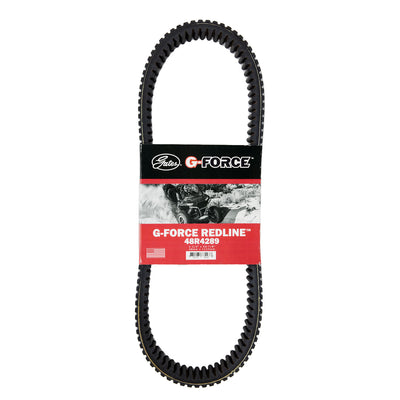
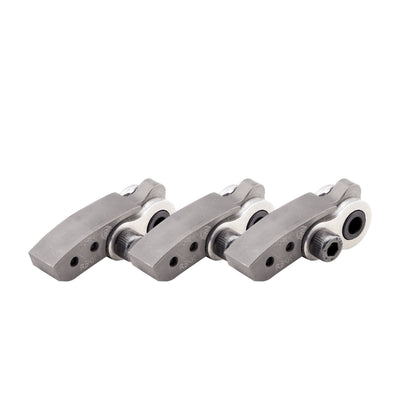
The primary clutch controls how the engine delivers power. The secondary clutch controls how the belt grips and transfers that power to the wheels. Belt alignment, sheave condition, cooling, belt grip, and calibration all play a role in how efficiently the system works. High-quality components like high-performance CVT belts play a critical role in maintaining grip and reducing wear under load.
If one part of that system is off, the entire drivetrain suffers.
At KWI Clutching, every product and service starts with this understanding. The goal is not simply to modify one component. The goal is to improve how the entire system works together.
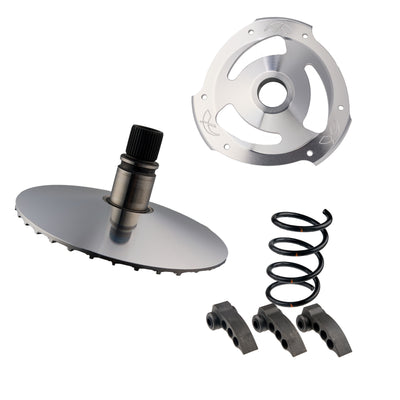
That philosophy is what led to the development of the KWI Float system, Groovix cooling technology, billet clutch designs, and integrated clutch calibration packages.
Fixing the Problems That OEM Systems Leave Behind
Modern UTVs are incredibly capable machines, but factory clutch systems are built with compromises.
Manufacturers must design clutches that work for thousands of riders across different terrains, tire sizes, elevations, and driving styles. The result is a system designed to work “well enough” in many conditions rather than optimized for performance.
In some platforms, additional mechanical limitations exist. Alignment issues, heat expansion in certain internal components, and clutch designs that promote uneven belt wear can all create problems under real riding conditions.
These issues can lead to:
-
Hard shifting
-
Belt slip
-
Secondary clutch spin
-
Premature belt failures
-
Heat buildup in the clutch housing
KWI Clutching focuses on identifying these mechanical limitations and correcting them.
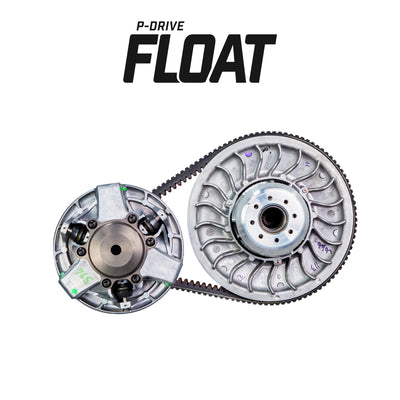
The Float system is a good example. By allowing the secondary clutch to properly align with the primary, belt wear becomes more even and the drivetrain operates more efficiently. The result is smoother shifting, stronger belt grip, and significantly improved reliability.
Rather than masking problems with stiffer springs or aggressive weights, KWI focuses on correcting the root cause.

Why CVT Cooling Is Critical for UTV Clutch Performance
Heat is the enemy of every CVT system.
When belt temperatures climb, grip decreases and wear increases. This creates a cycle where the belt begins to slip, generating even more heat and accelerating failure.
Many clutch kits ignore this problem entirely. KWI approaches it directly.
Groovix technology is designed to improve airflow and cooling within the clutch system. By increasing the surface area and promoting better air movement, Groovix helixes and clutch components help reduce belt temperatures and stabilize performance during long pulls or aggressive riding.
Lower belt temperatures mean:
-
Better belt grip
-
More consistent RPM control
-
Reduced clutch wear
-
Longer belt life
In extreme environments like desert racing, dunes, rock crawling, or heavy mud riding, controlling heat becomes critical. Real-world testing has repeatedly shown that better cooling directly translates to better drivetrain reliability.
CVT Tuning & Clutch Calibration for Maximum Performance
Installing performance parts is only half the equation. Proper calibration is where real gains happen.
A CVT system works by controlling engine RPM relative to the engine’s power band. If the clutch is calibrated correctly, the engine stays within the RPM range where it produces the most power.
If calibration is wrong, the engine either over-revs or bogs down below the power band.
KWI clutch kits are designed with adjustability in mind. Magnet placement, spring preload, and helix design allow riders to fine-tune their setup depending on:
-
Tire size
-
Terrain
-
Elevation
-
Vehicle weight
-
Engine modifications
This level of adjustability ensures that the clutch system can be tuned for maximum efficiency instead of forcing the rider to accept a one-size-fits-all setup. Proper CVT tuning and clutch calibration ensure your system stays within the optimal RPM range.
More efficient clutching means more of the engine’s power actually reaches the wheels.
Watch how proper calibration impacts performance in real-world conditions:
Built and Tested in the Real World
Designing performance parts on paper is one thing. Proving them in real riding conditions is something else entirely.
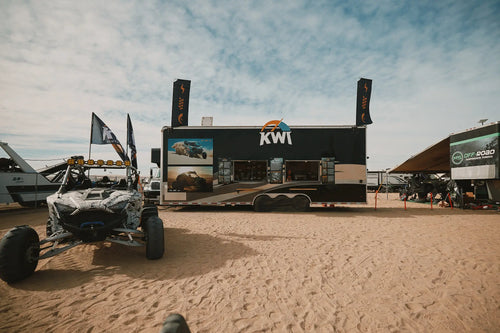
KWI Clutching products are tested in the environments where UTVs are pushed the hardest.
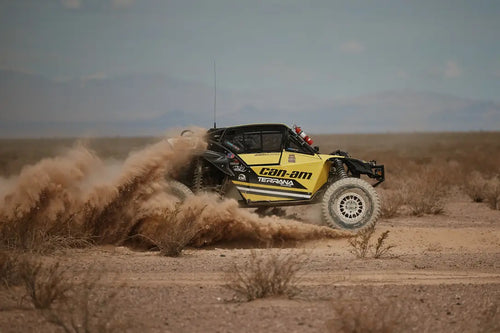
Desert racing, sand dunes, rocky trails, and high-horsepower builds all place different stresses on a CVT system. Testing in these conditions allows engineers to identify weaknesses, refine designs, and validate improvements before products ever reach customers.
Teams like Broken Skull Racing and GFI Racing have spent extensive time running KWI clutch systems in demanding environments. That type of real-world testing provides feedback that no laboratory simulation can fully replicate.
When parts survive that level of abuse, riders know they are getting equipment built for real performance.
Engineering Over Hype
The performance aftermarket can sometimes lean heavily on marketing claims. Billet parts, flashy finishes, and bold promises often get attention, but they do not always translate to measurable performance improvements.
KWI Clutching engineers focus on engineering first.
Every product is designed with specific goals:
-
Improve power transfer
-
Reduce belt temperatures
-
Increase drivetrain efficiency
-
Solve mechanical limitations
-
Maintain long-term reliability
That approach is why many racers and serious riders rely on KWI systems when performance and durability matter most. For step-by-step setup, refer to our clutch installation and calibration guide.

Performance You Can Feel
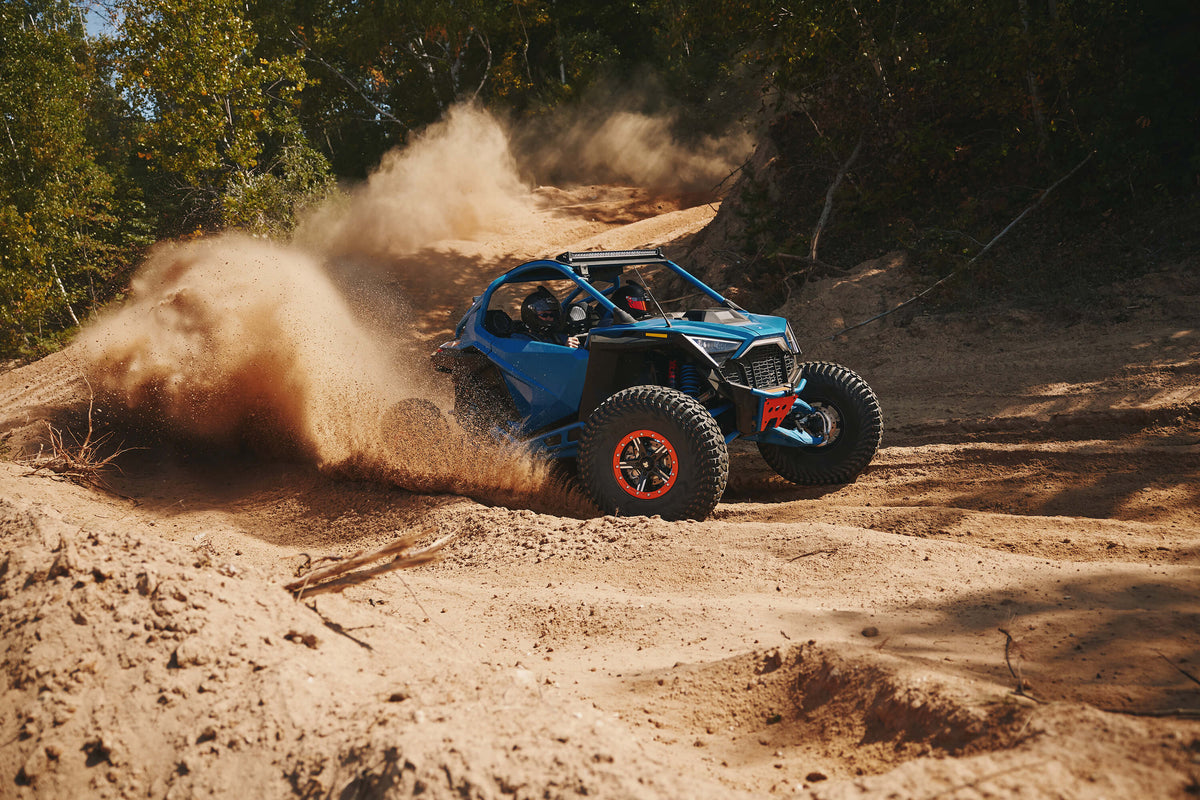
When a CVT system is working correctly, the difference is noticeable immediately.
Acceleration becomes more responsive. RPM stays consistent during long pulls. Shifting becomes smoother and more predictable. Belts last longer, and temperatures stay under control.
Those improvements come from an efficient drivetrain, not just increased horsepower.
By addressing the entire CVT system instead of individual components, KWI Clutching delivers performance gains that riders can actually feel on the trail, in the dunes, or on the race course.
Frequently Asked Questions About UTV Clutching
What affects UTV CVT clutch performance the most?
The biggest factors are clutch calibration, cooling, and proper alignment. When these are optimized, power transfer becomes much more efficient.
Does CVT tuning improve performance?
Yes, proper CVT tuning helps maintain the right RPM range, which improves acceleration, throttle response, and overall efficiency.
Why does my UTV clutch overheat?
UTV clutch overheating is usually caused by poor airflow, excessive belt friction, or incorrect clutch setup.
What causes the CVT belt to slip?
CVT belt slipping can happen due to worn components, misalignment, or improper calibration, leading to reduced grip and increased heat.
Related Articles
The KWI Fusion H2: The Ultimate Kawasaki H2 Clutch Upgrade
Why Do UTV Belts Keep Breaking?
2027 Polaris RZR Pro R Boost.

The Bottom Line
The difference in KWI Clutching’s approach comes down to understanding how the CVT drivetrain really works.
Instead of treating clutching as a simple upgrade, KWI focuses on improving the entire system. Fix mechanical limitations, improve cooling, provide proper calibration tools, and test everything in real-world environments.
The result is a drivetrain that transfers more power, runs cooler, and performs consistently when it matters most.
Because at the end of the day, horsepower only matters if it makes it to the ground.
Find out more about KWI UTV Maintenance Parts & Performance Accessories. Explore KWI Clutching’s performance-driven solutions, including clutch kits, Float systems, and maintenance components designed for real-world riding conditions. Contact us today!